


UHF RFID antennas are the visible part of a RAIN RFID system at the read point: they radiate the reader's field, power passive EPC Gen2 / ISO 18000-63 tags and pick up their reply. The antenna determines the size and shape of the read zone, stray reads of nearby tags and the read rate. IDCRAFT supplies UHF antennas from Times-7 and CT to match our fixed RAIN RFID readers with antenna ports.
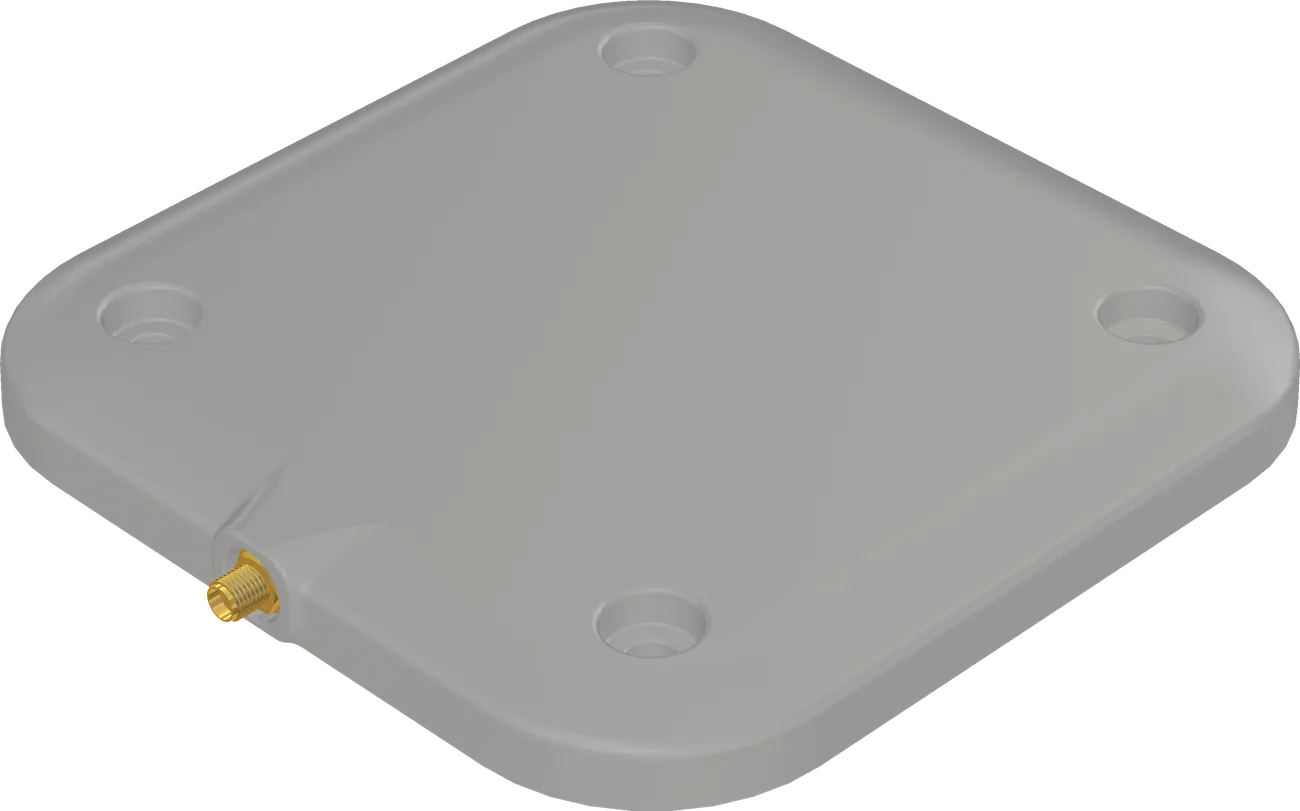
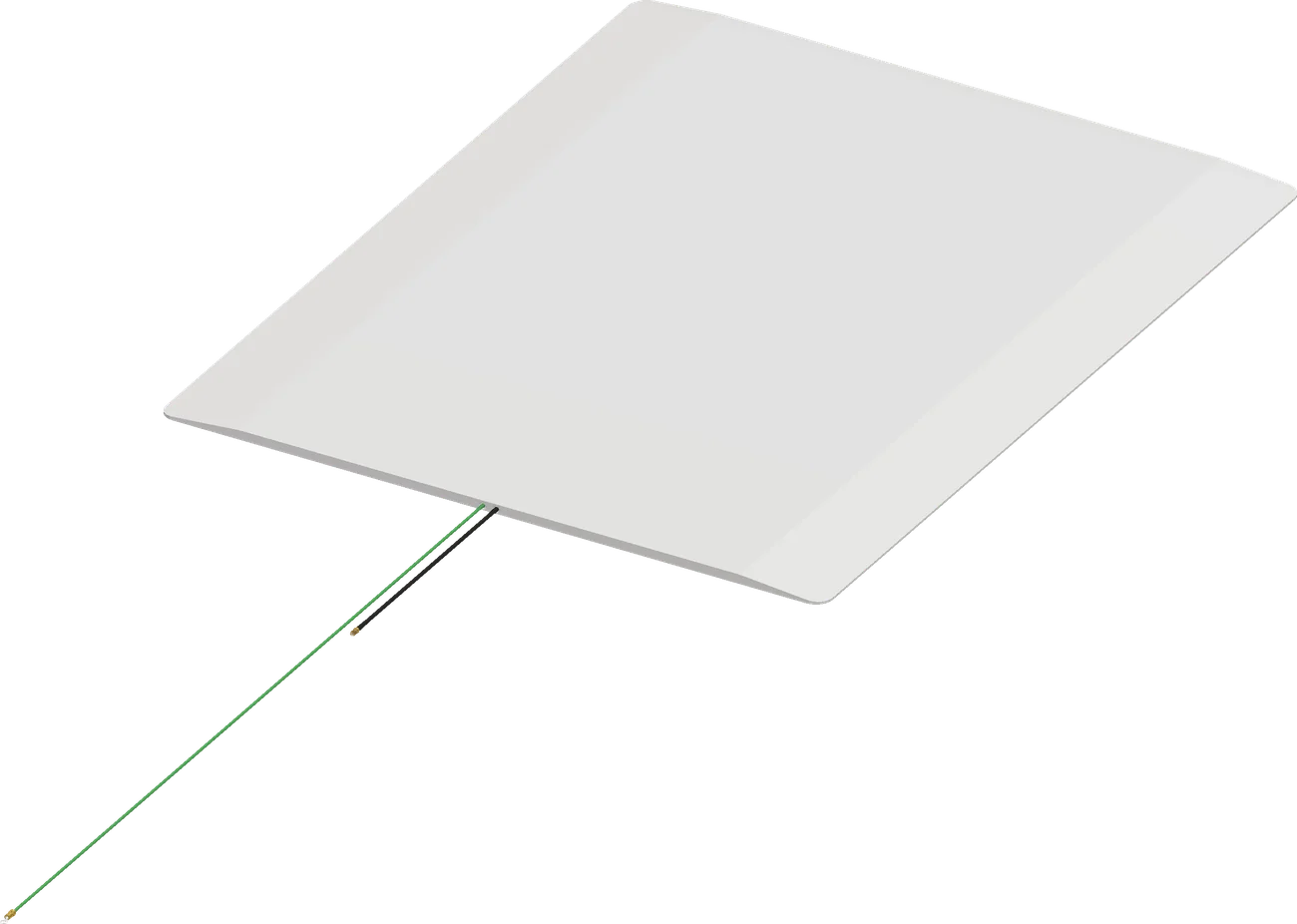
The CT range covers far-field panels of the panAx series, the modAx6060P and modAx6161P embedded antennas, the nearAx3030P near-field antenna and the gndAx13CS floor antenna.
Which UHF antenna for which application?
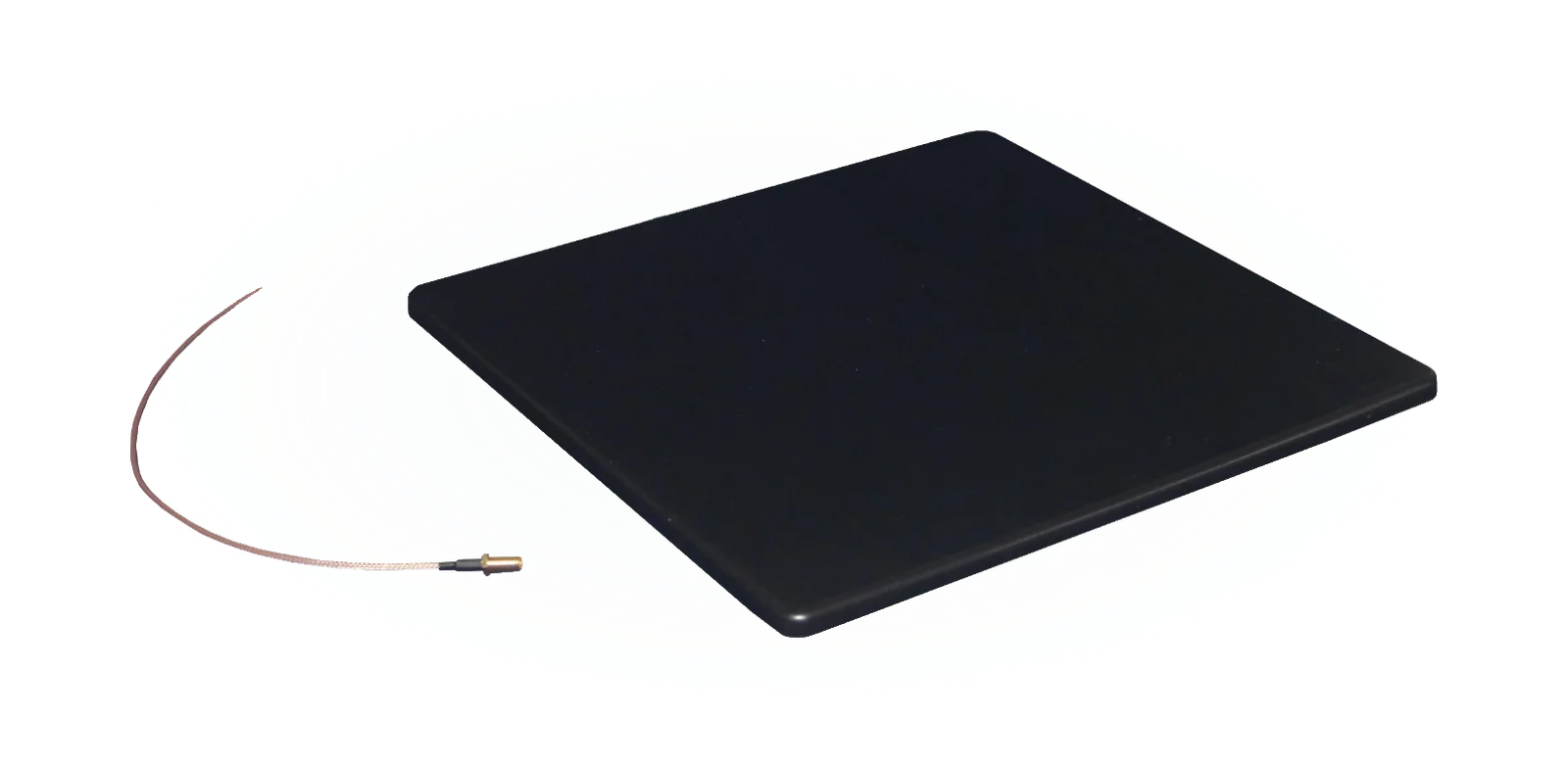
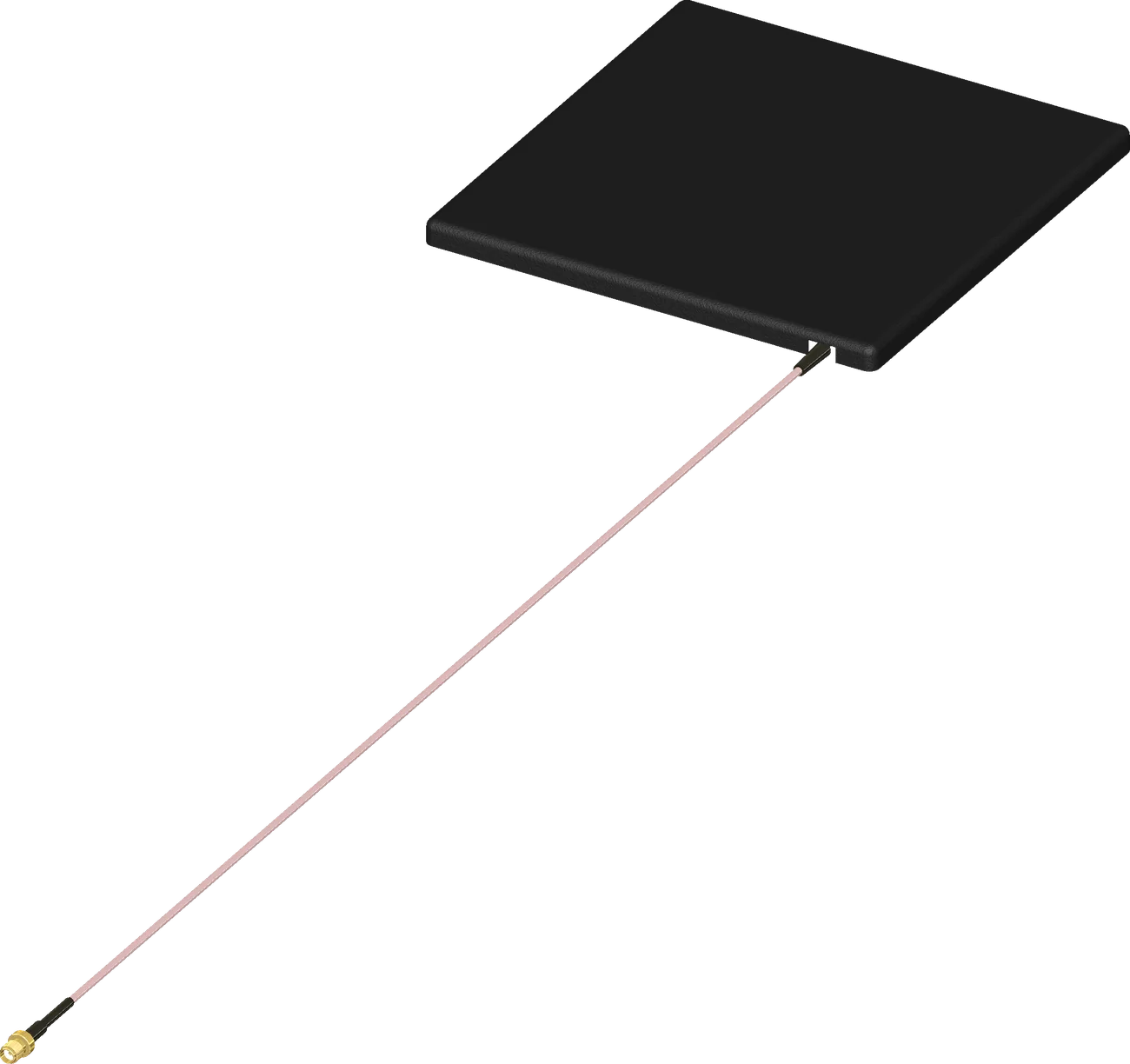
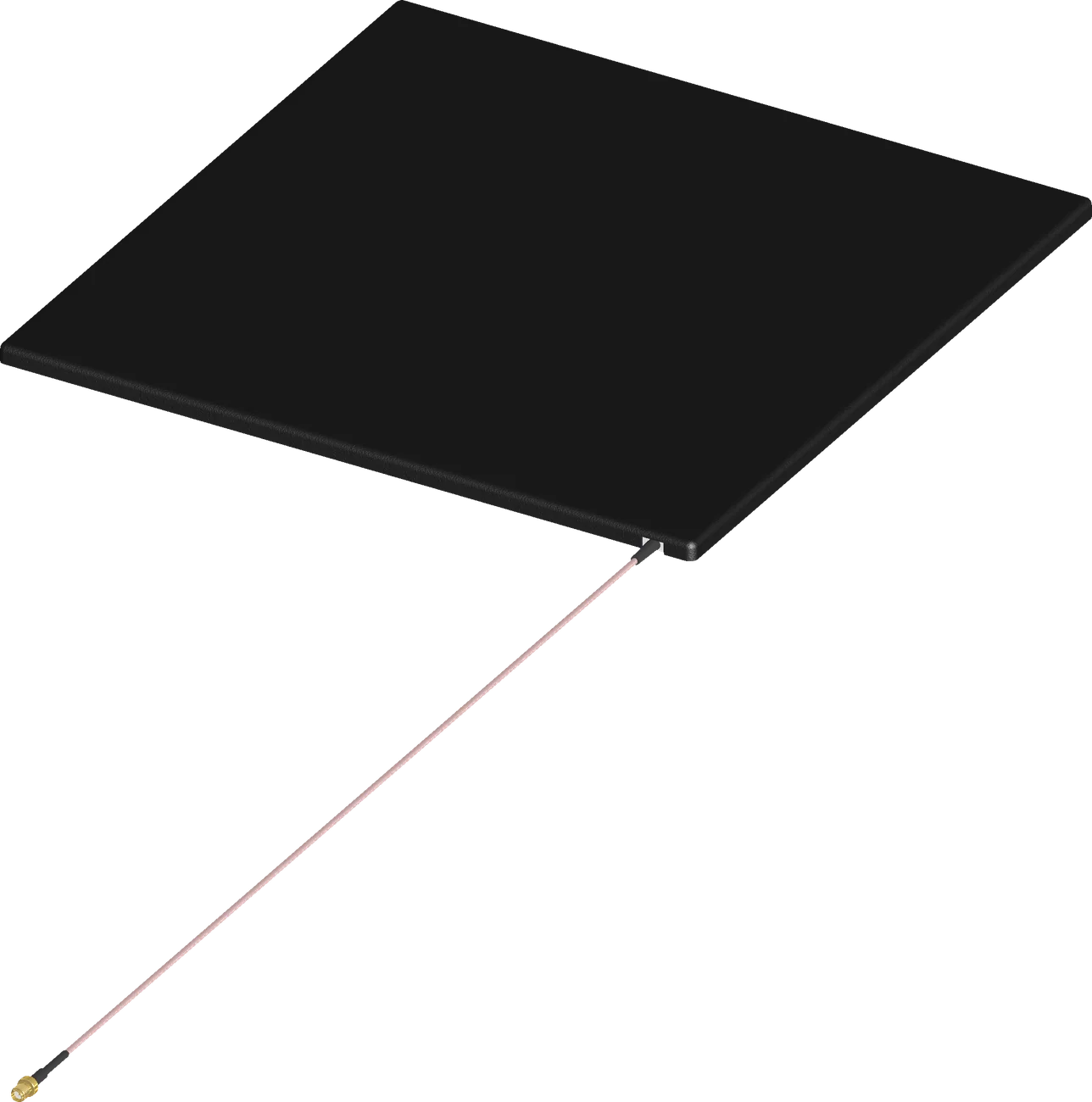
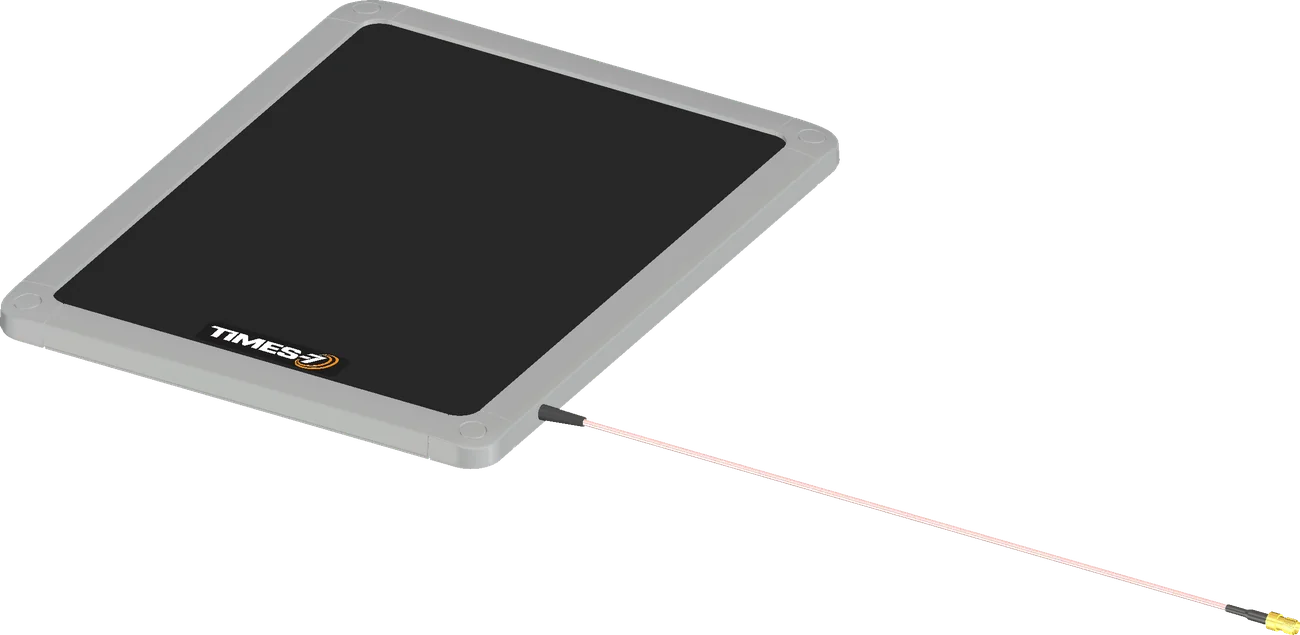
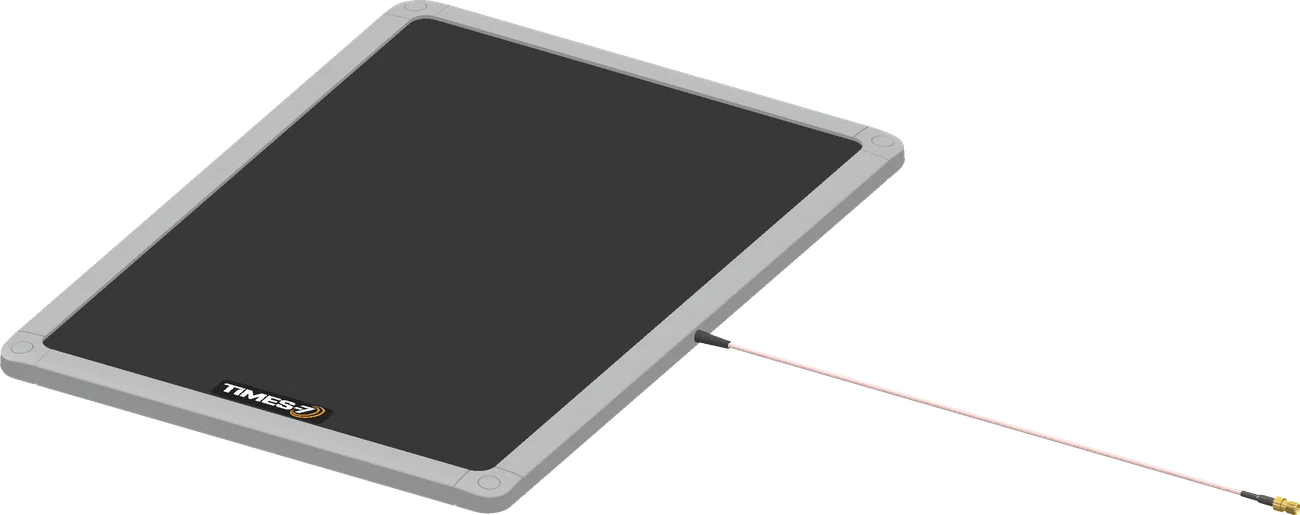
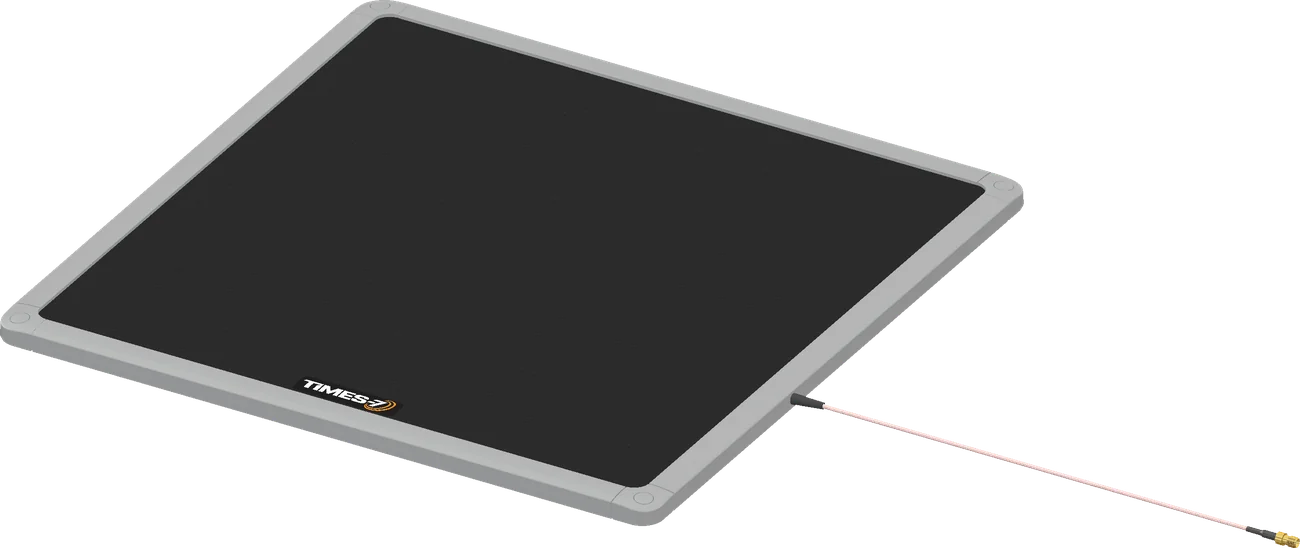
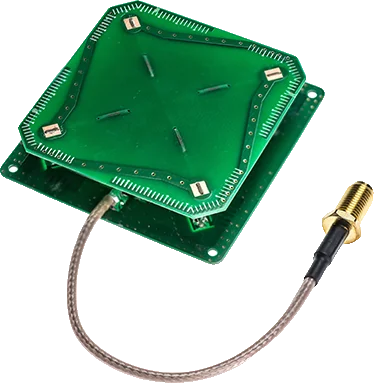
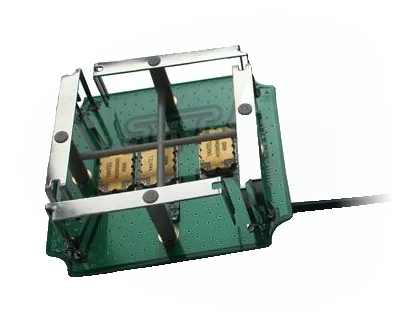
- Checkouts, counters and access control: Near-field antennas only read what lies directly on or above them. The Times-7 A1001 (82 × 82 mm) has its peak field at the surface, and the A5020NF reads up to 100 mm. The True NearField models A1115, A1130 and A1163 confine the read zone to areas from 150 × 150 to 600 × 300 mm and reliably read metal items and liquid-filled products.
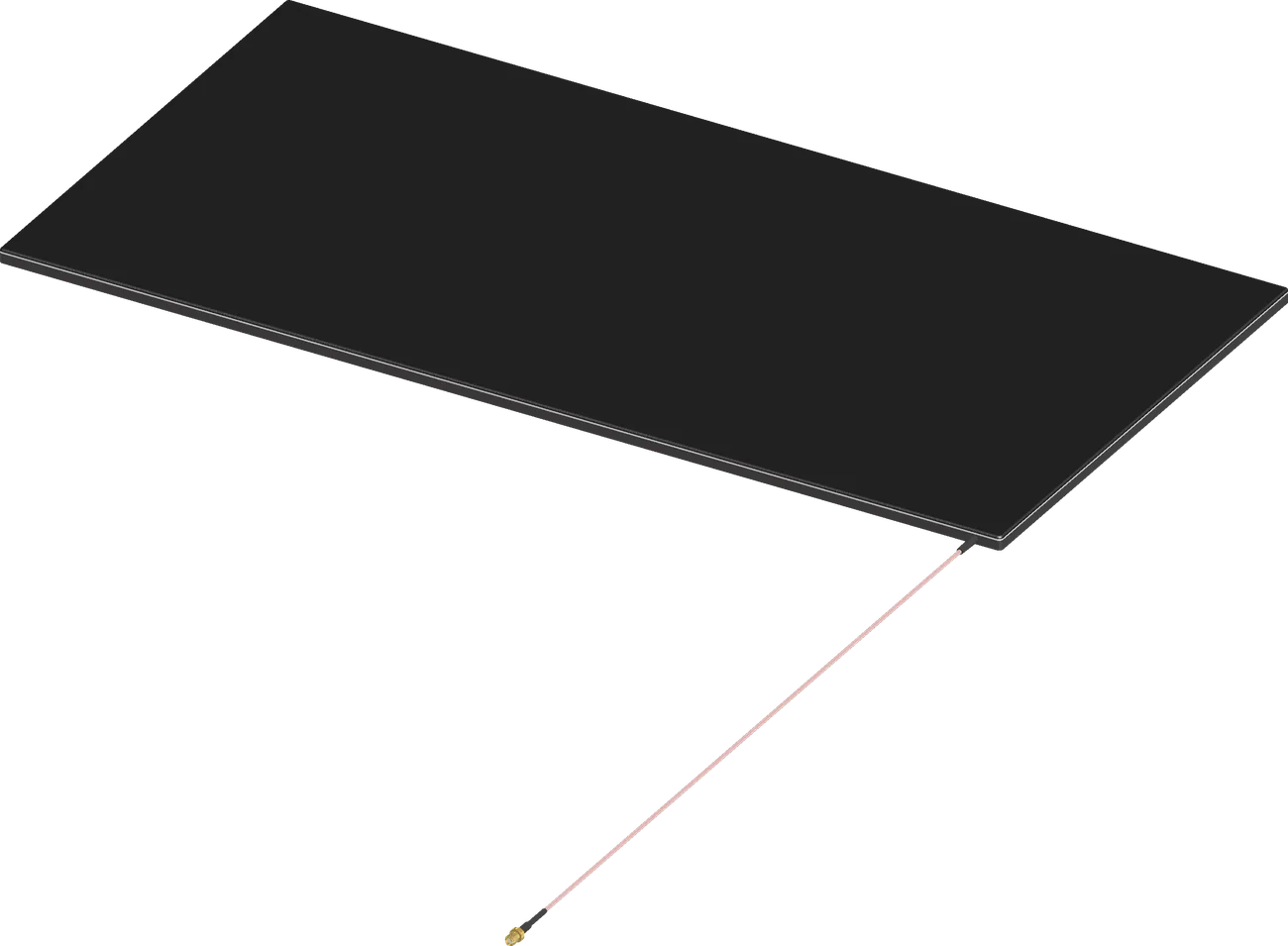
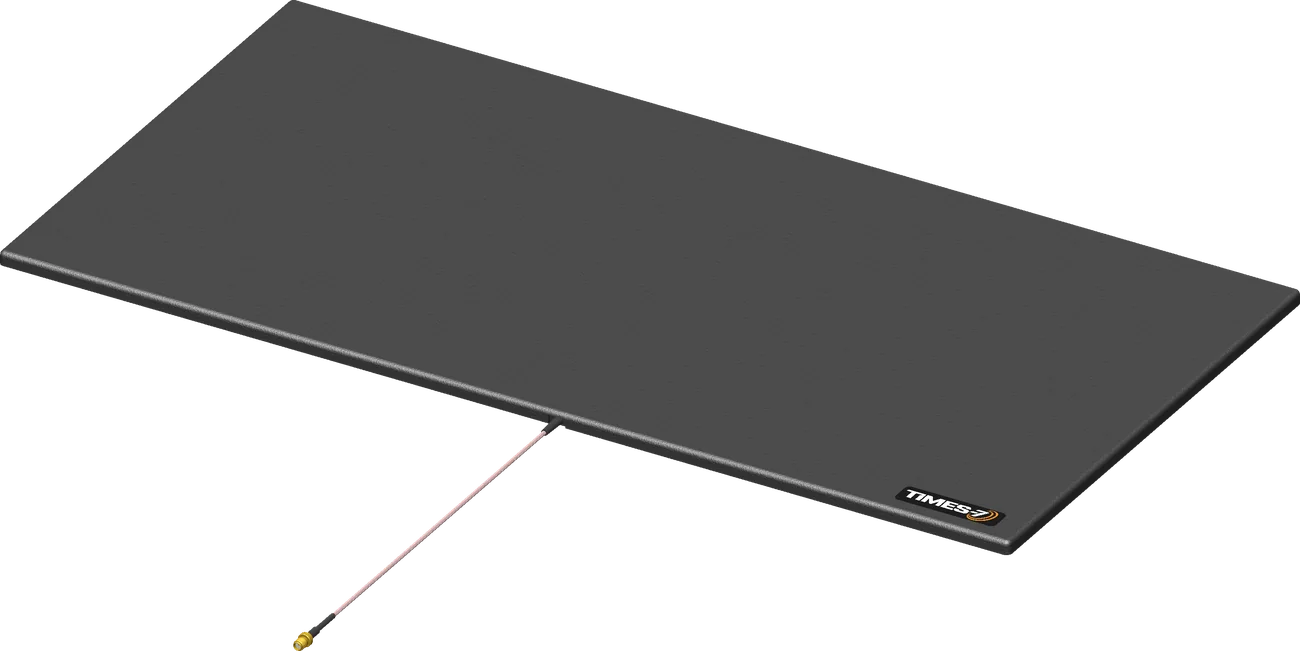
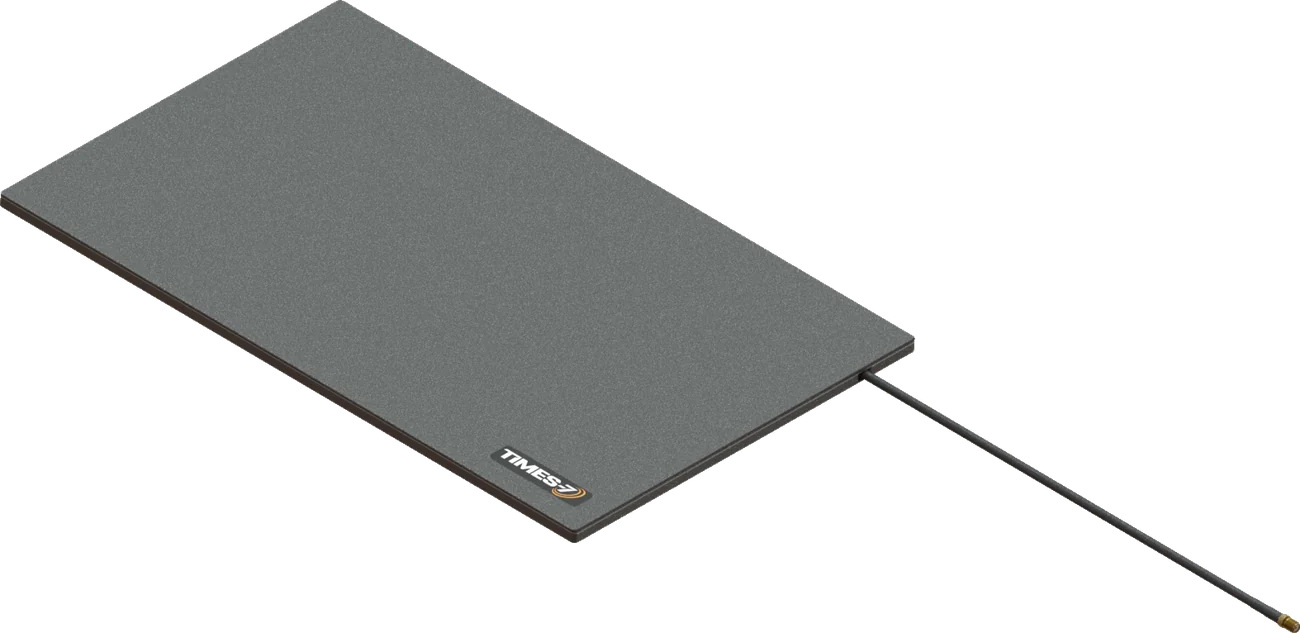
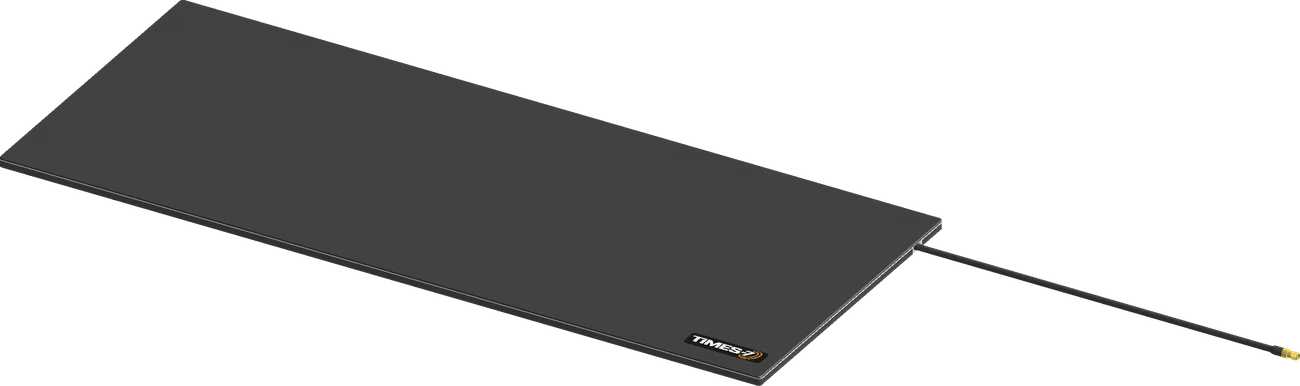
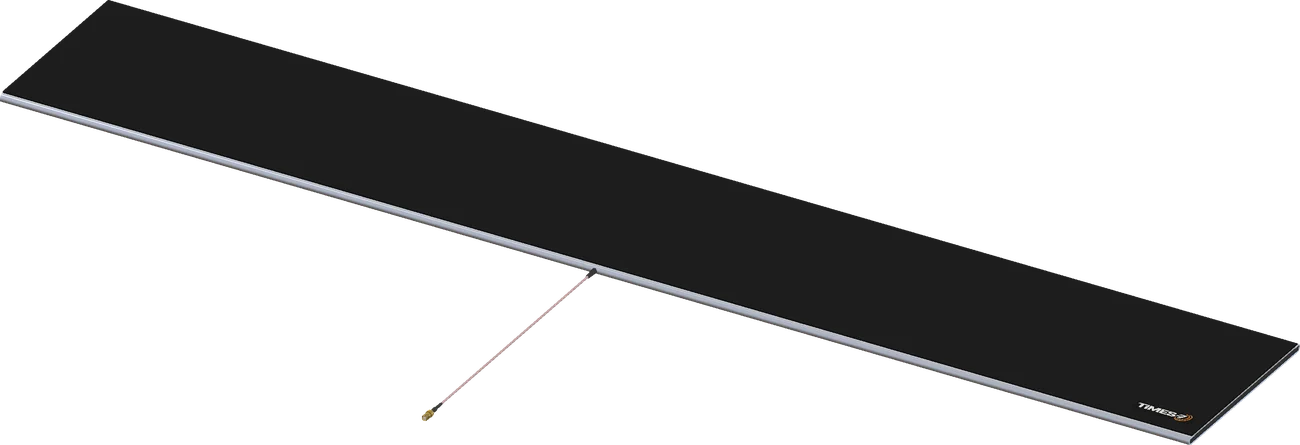
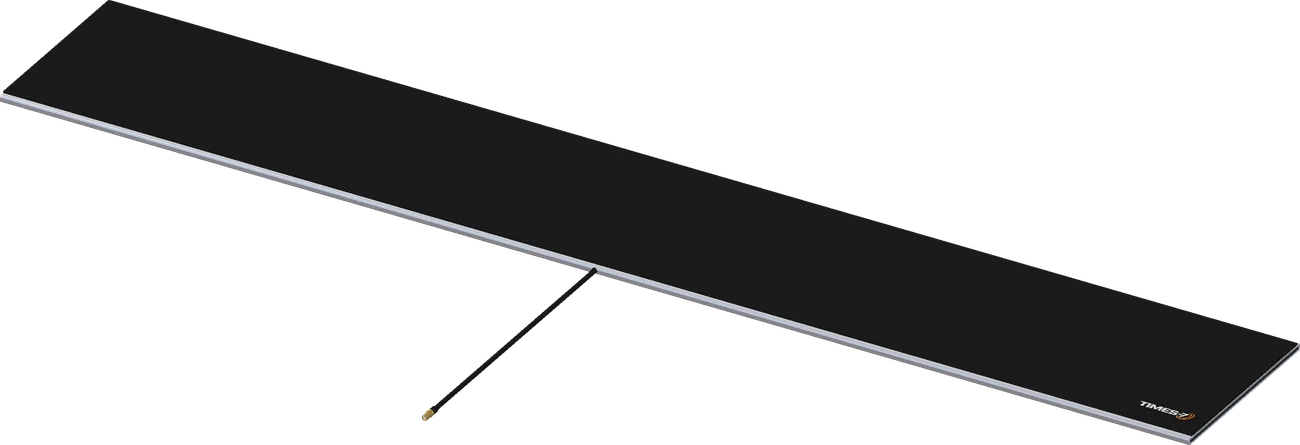
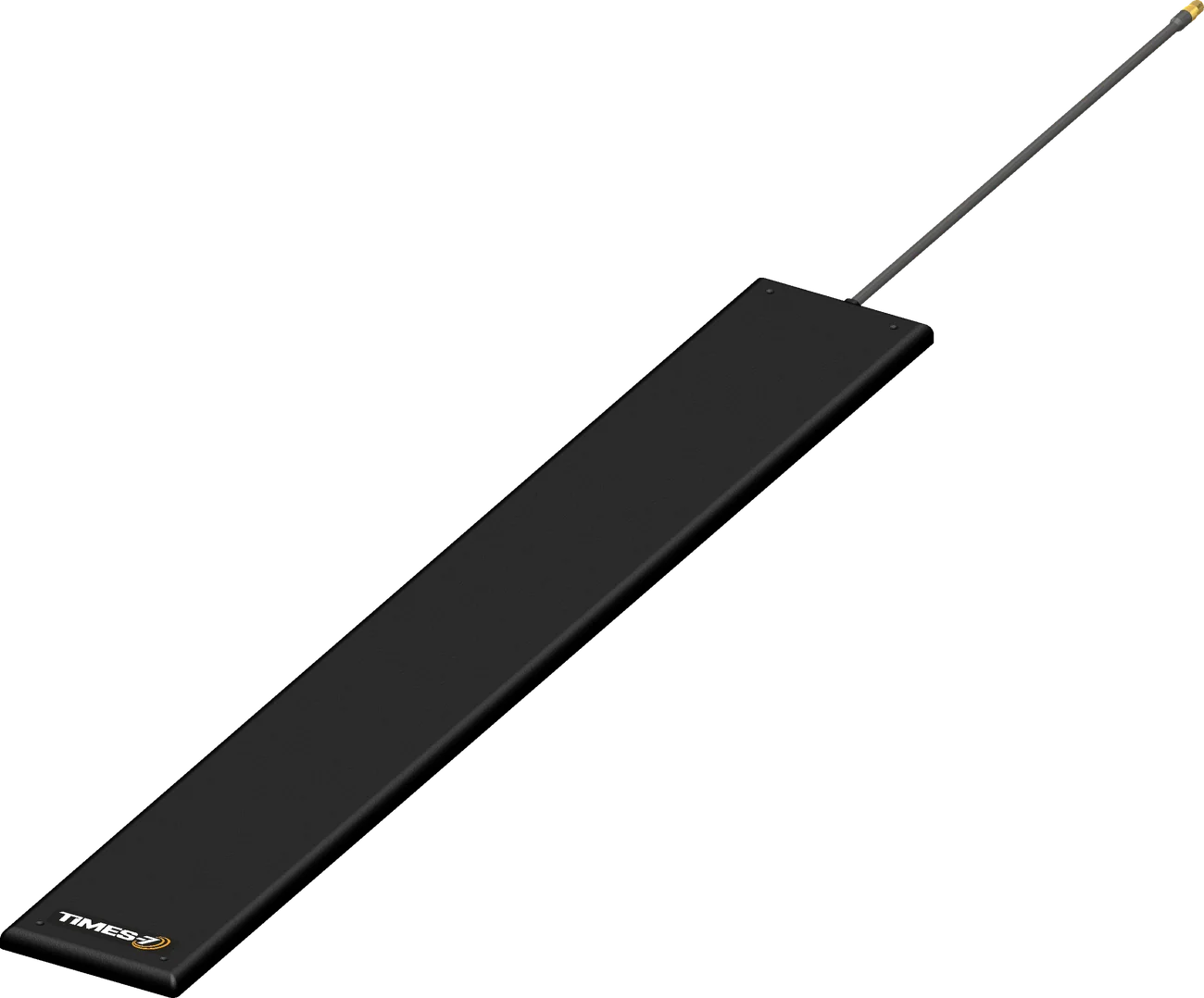
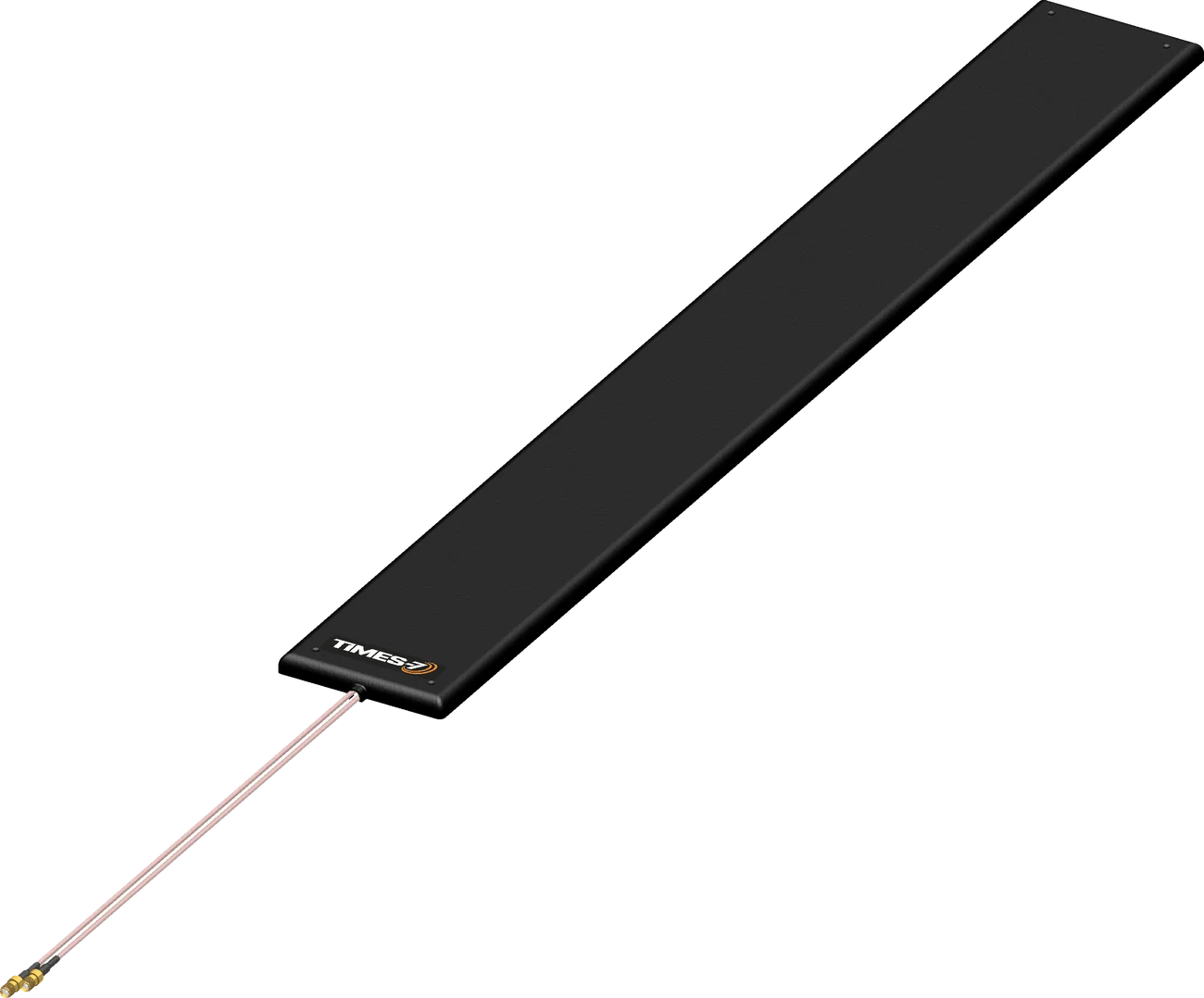
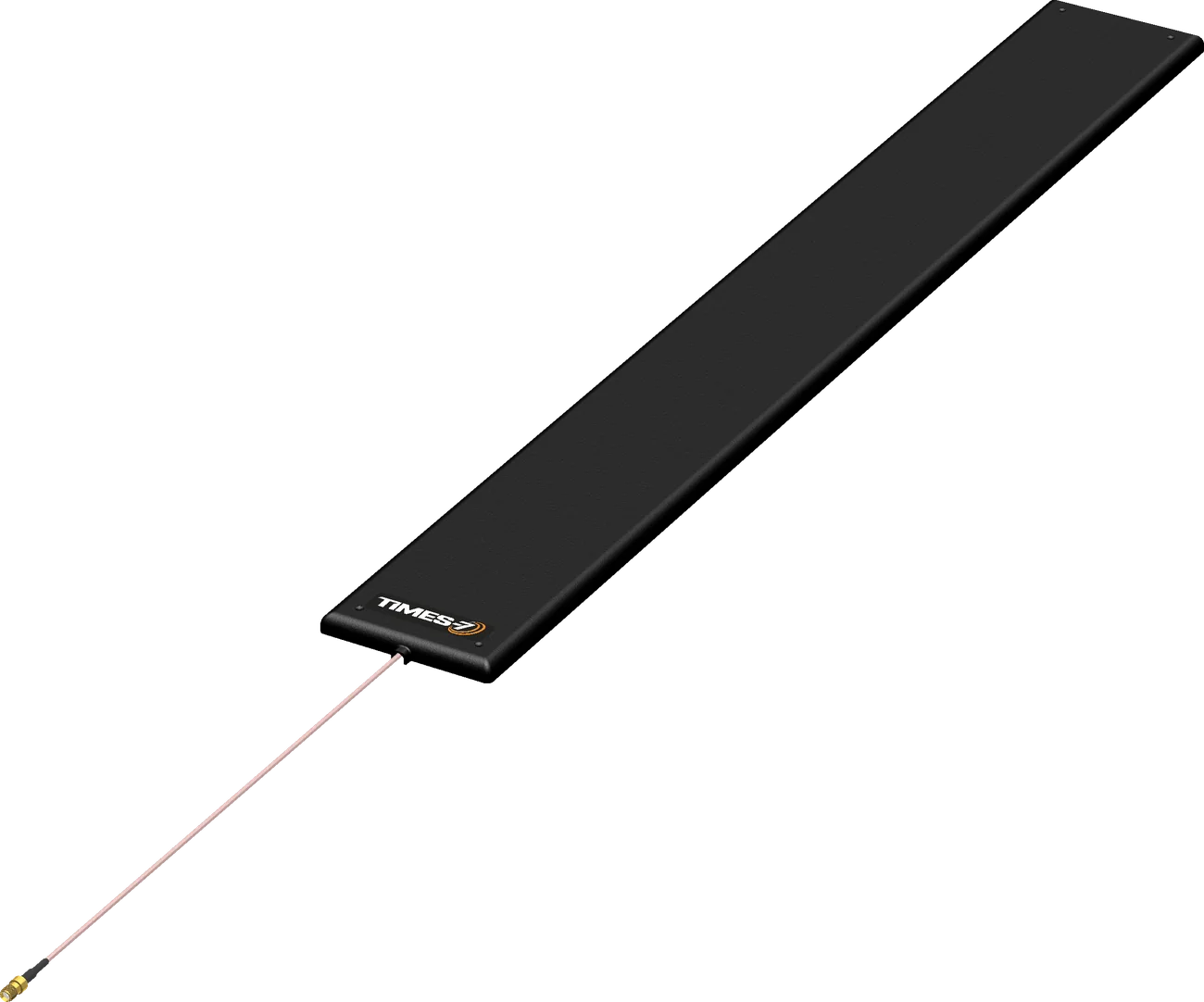
- Shelves, cabinets and display cases: Flat antennas under the shelf track inventory continuously. The A7030C is 8.5 mm thin and can be combined into larger areas; the linearly polarised A7040 and A7060 fit under shelves and into cabinets.
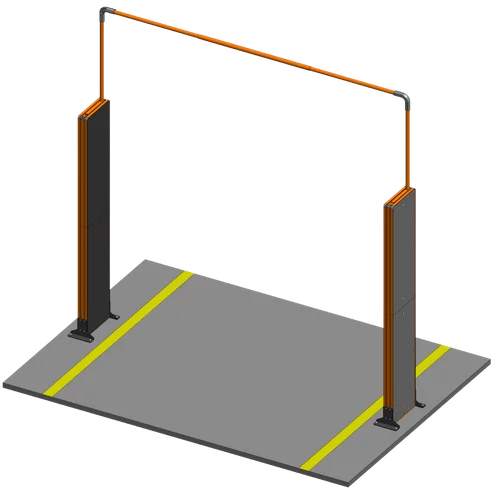
- Dock doors, ramps and goods receiving: The Times-7 Portal focuses 10 dBiC into a 50° horizontal beam and keeps cross-reads from adjacent dock doors low; the A6034S reads up to 9 m. A pallet gate with a 3 to 4 m lane gets by with four antennas; the RFID gate guide explains the set-up.
- Doors, corridors and walkways: The A8060 and the A8065 family of door frame antennas are only 9.6 mm deep and mount directly on the frame; the A8065 Combo reads tags in any orientation. The A5531 and A6590 floor antennas carry up to 500 kg distributed load, and the A5531 can be concealed under a mat.
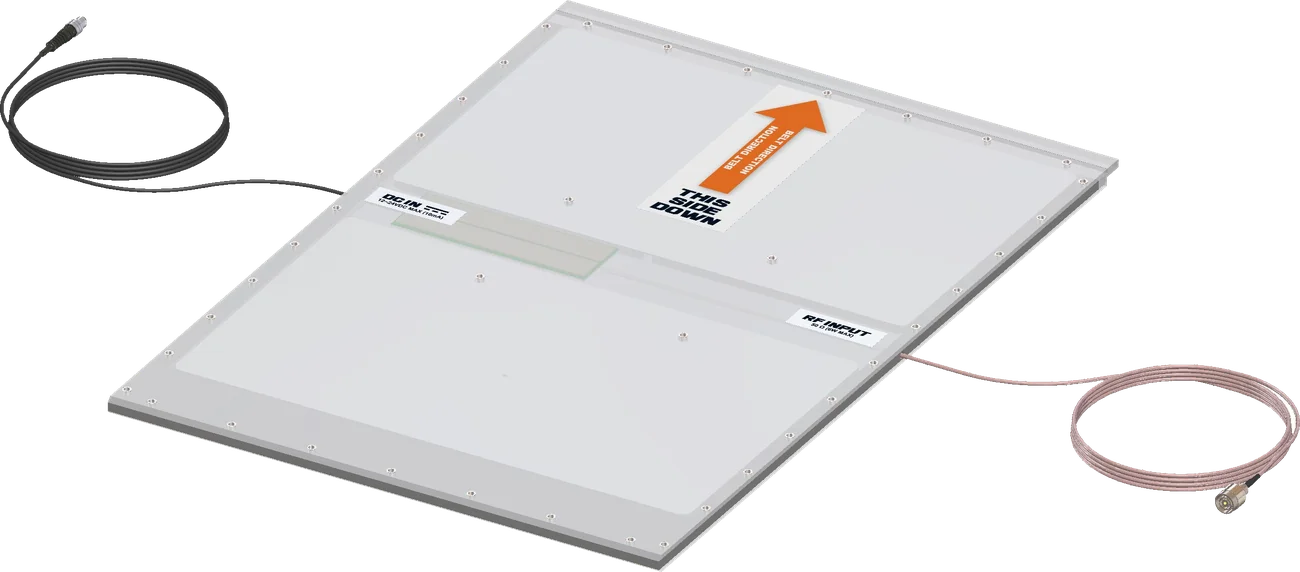
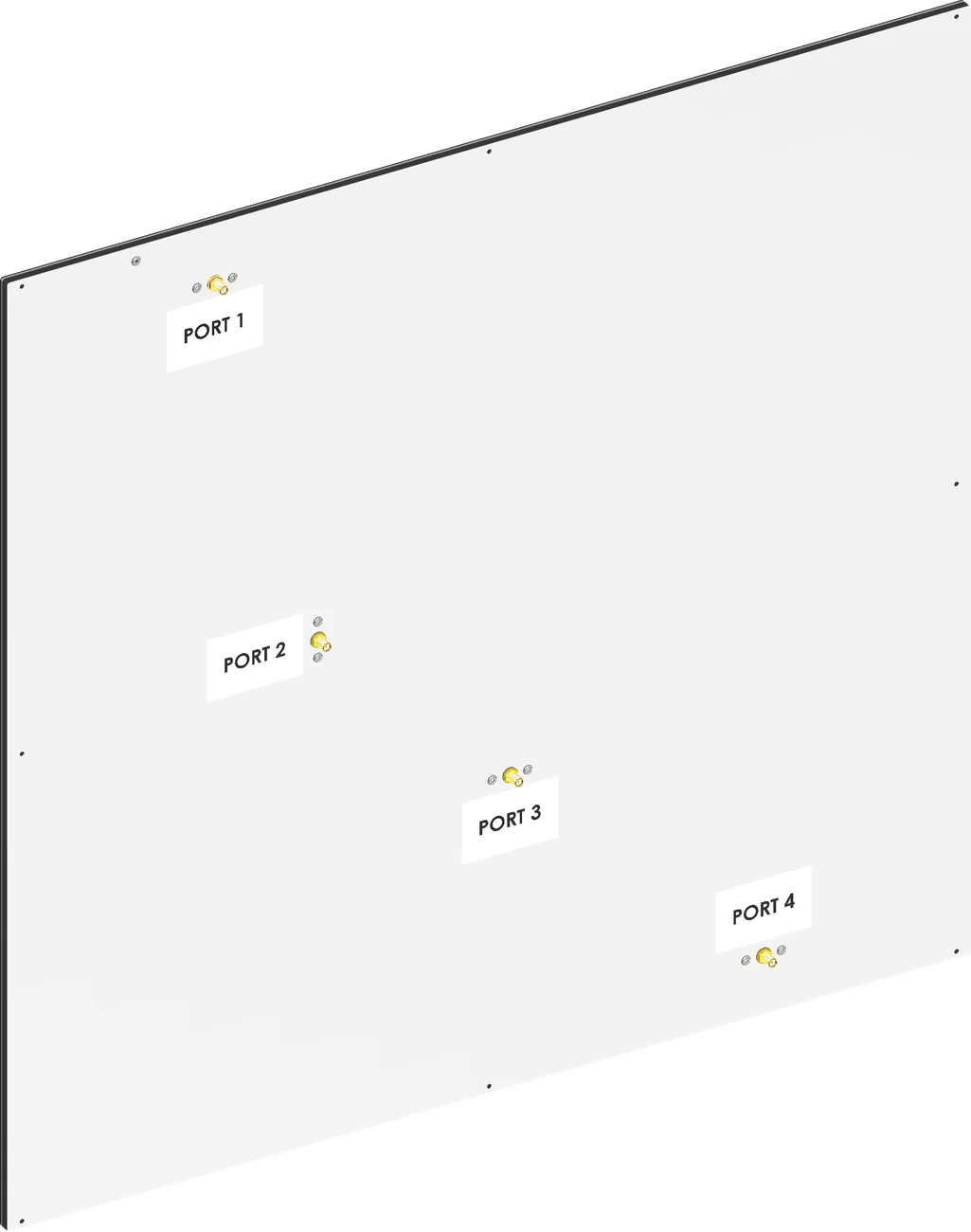
- Conveyors and packing stations: The A6011 reads up to 900 mm above the belt and comes in three sizes: 1200 × 600, 1000 × 800 and 800 × 800 mm. The A9044M is built for packing verification with four ports and tilted beams.
- Outdoors, wash-down and cold: The A5020CX is rated IP68 and IP69K for high-pressure washing, the A5020LX operates from −90 to +65 °C, and the A5010 is rated IP67 for indoor and outdoor use.
Near-field, mid-range or far-field?
Near-field antennas create a field that only acts close to their surface, so stray reads of nearby tags are rare. Far-field antennas radiate an electromagnetic wave and reach several metres. In between sits the A5020MR mid-range antenna with a confined read zone of up to 1.5 m, for kiosks, self-checkouts and sorting conveyors.
Circular or linear polarisation?
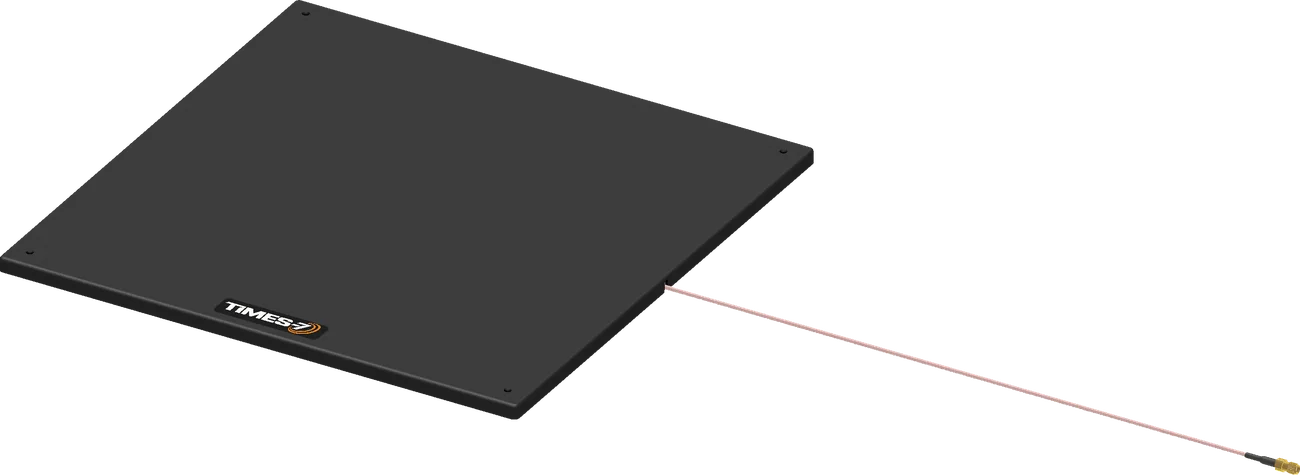
Circularly polarised antennas read tags regardless of their orientation, but lose range compared with a correctly aligned linear antenna. Linearly polarised antennas pay off when tags always sit the same way, such as containers on a conveyor. A pair of models with the same housing (280 × 280 × 12.2 mm) shows the difference in the datasheets: the circular A4030C reaches up to 6 m typical, the linear A4030L up to 9 m.
Gain, beamwidth and transmit power
Gain is given in dBi, or in dBiC for circular polarisation. More gain concentrates the energy into a narrower beam: the A5020CP has 5 dBiC with a 105° beamwidth, the A6034S 9 dBiC with 50°, the A3042 10.5 dBiC with 25° × 60°. In Europe, a UHF RFID reader in the 865 to 868 MHz band may radiate at most 2 W ERP under ETSI EN 302 208. With high-gain antennas, the reader's transmit power is reduced accordingly.
Cables, loss and connectors
A 50 Ω coaxial cable connects antenna and reader. Cable loss works in both directions: it lowers the power that reaches the tag and weakens the tag's reply. Keep cables short and use low-loss cable for longer runs. Most Times-7 antennas have an SMA connector, often on a short fly lead; the A3042 and the Portal use RP-TNC. The cable must match the reader's antenna port, for example SMA on the Chainway UR4.
Planning antenna ports and read zones
Each antenna connector uses one reader port: the A8065D dual antenna needs two, the A9044M four and each Portal unit two. The CAEN Proton and the Chainway UR4 have four ports, the Zebra FX9600 and the Chainway UR8 up to eight. Instead of building a gate from a reader and antennas, you can use a ceiling reader with integrated antennas such as the CT GateSense.
ETSI or FCC: the right version
For Europe, order the ETSI version (865 to 868 MHz); for North America, the FCC version (902 to 928 MHz). An antenna for the wrong band is detuned and loses range. The A1001 and A5020NF wideband near-field antennas cover both bands with one version. Wideband CT panels such as the panAx8CP (860 to 960 MHz) also need only one version. The panAx9L, panAx8CRS, panAx8CNP, nearAx3030P and gndAx13CS cover the US band (902 to 928 MHz) only.
Protection class and mounting
Indoors, IP54 is usually enough. Higher protection comes with IP65 (A4030C, A4030L, A6031, A6032, A6034S), IP67 (A5010) and IP68 (A5020 family). Many panels are screwed flush to the surface or fitted to a 100 × 100 mm VESA mount.
Buying UHF RFID antennas
For a quote, we need the application, read zone size, reader and quantity. We give manufacturer-independent advice on antenna, cable and mounting and supply readers and matching UHF tags and labels from one source. Filter the right transponder for your surface in the UHF Tag Finder; our RFID reader guide compares all reader types.
→ Request a quote for UHF RFID antennas
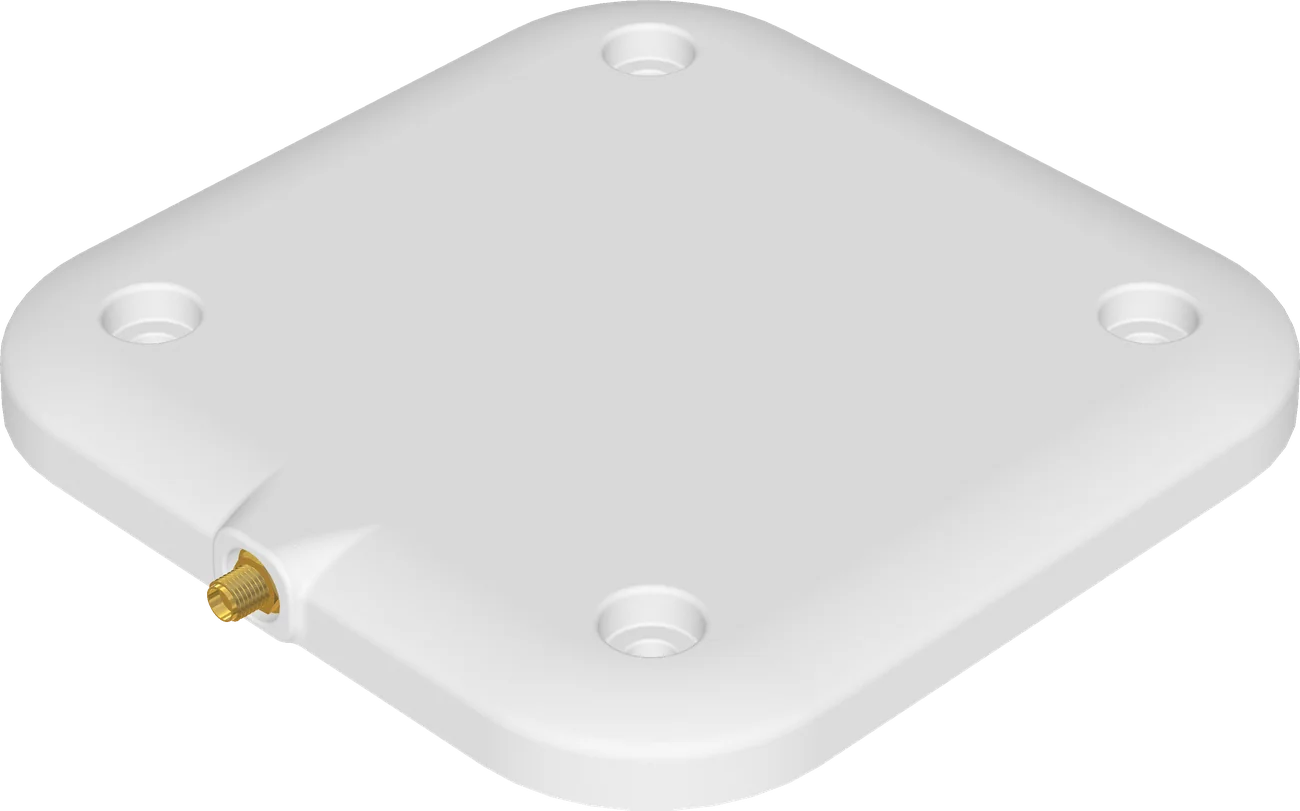
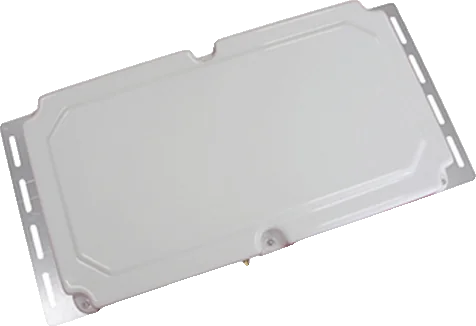
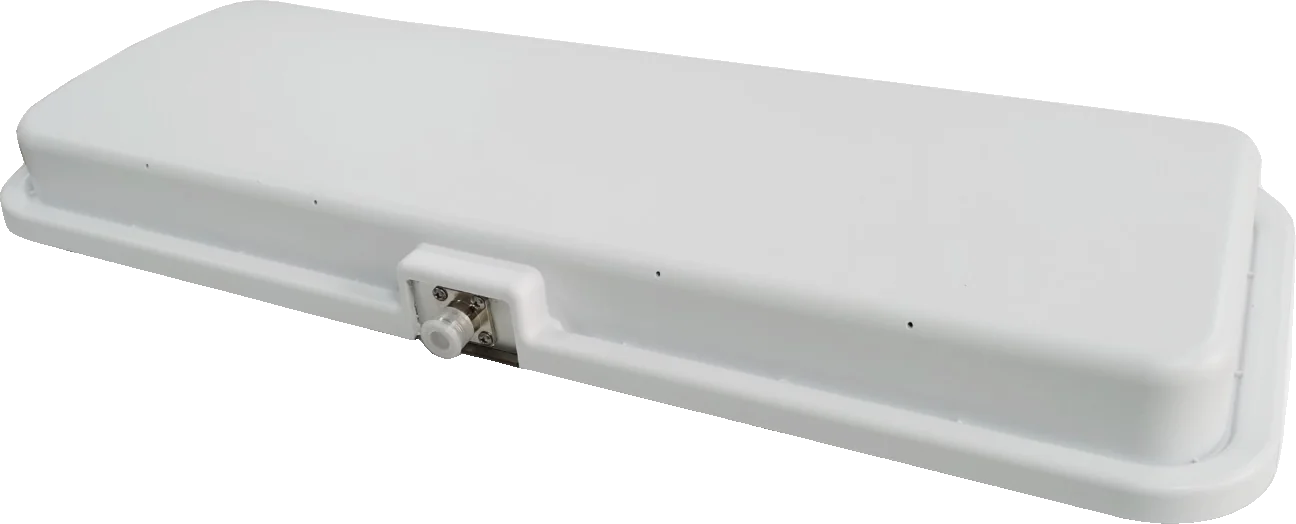
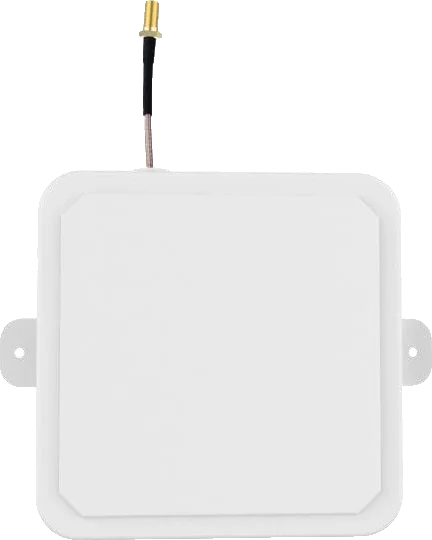
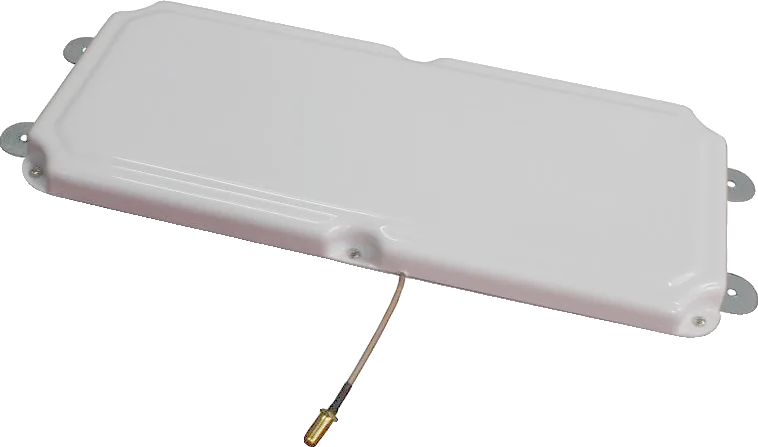
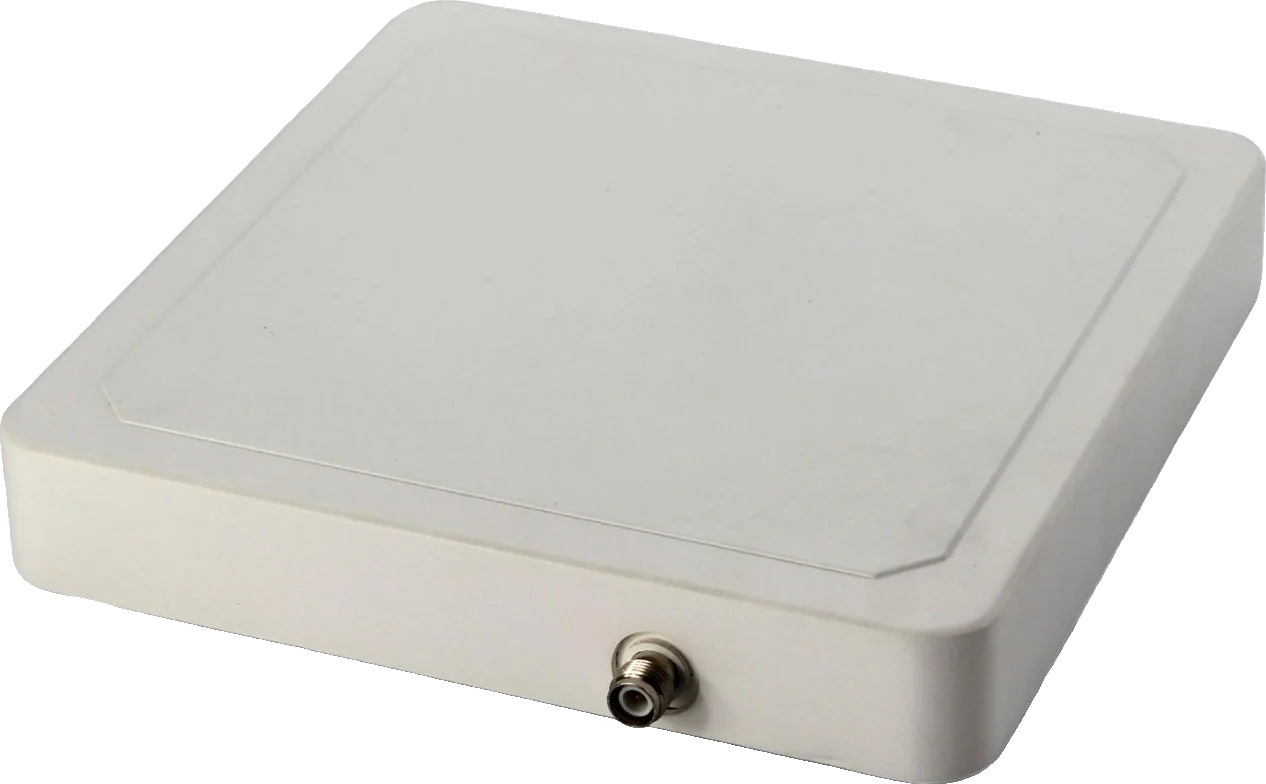
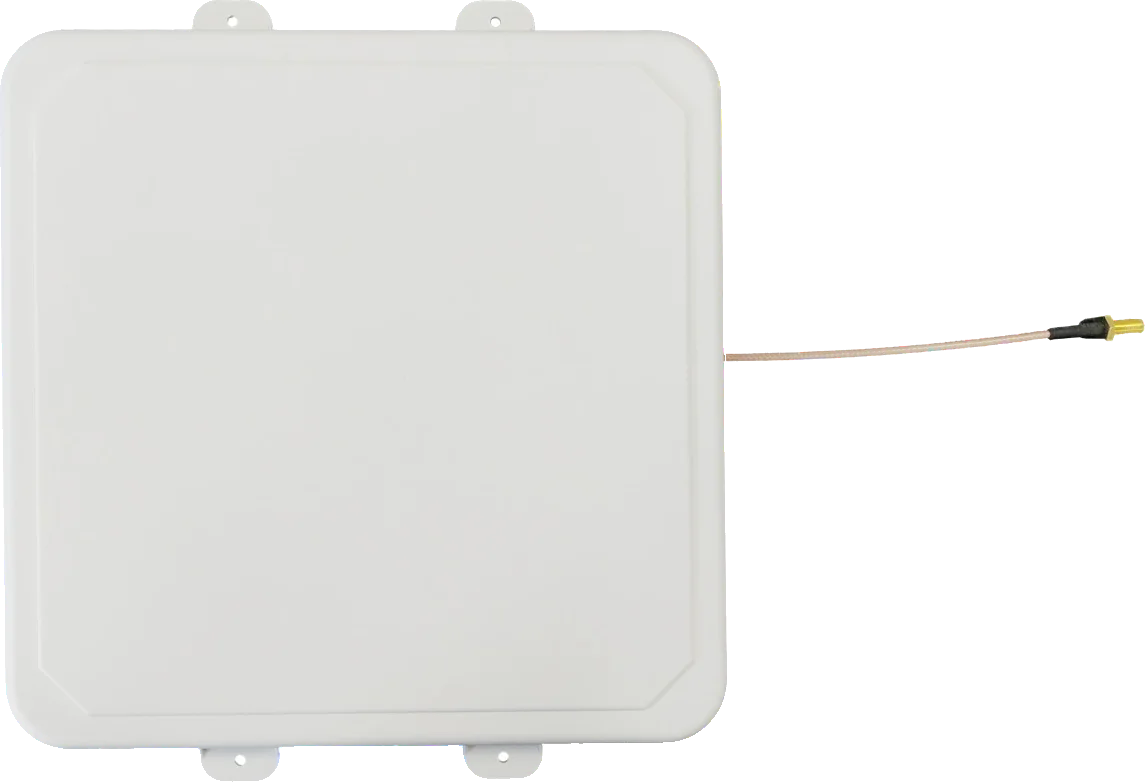
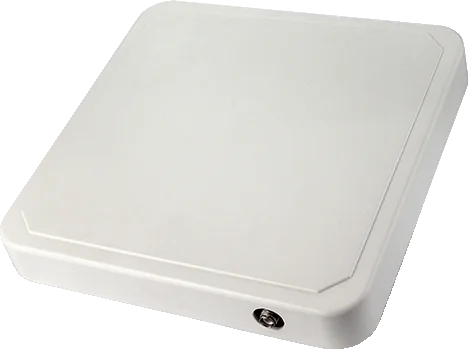
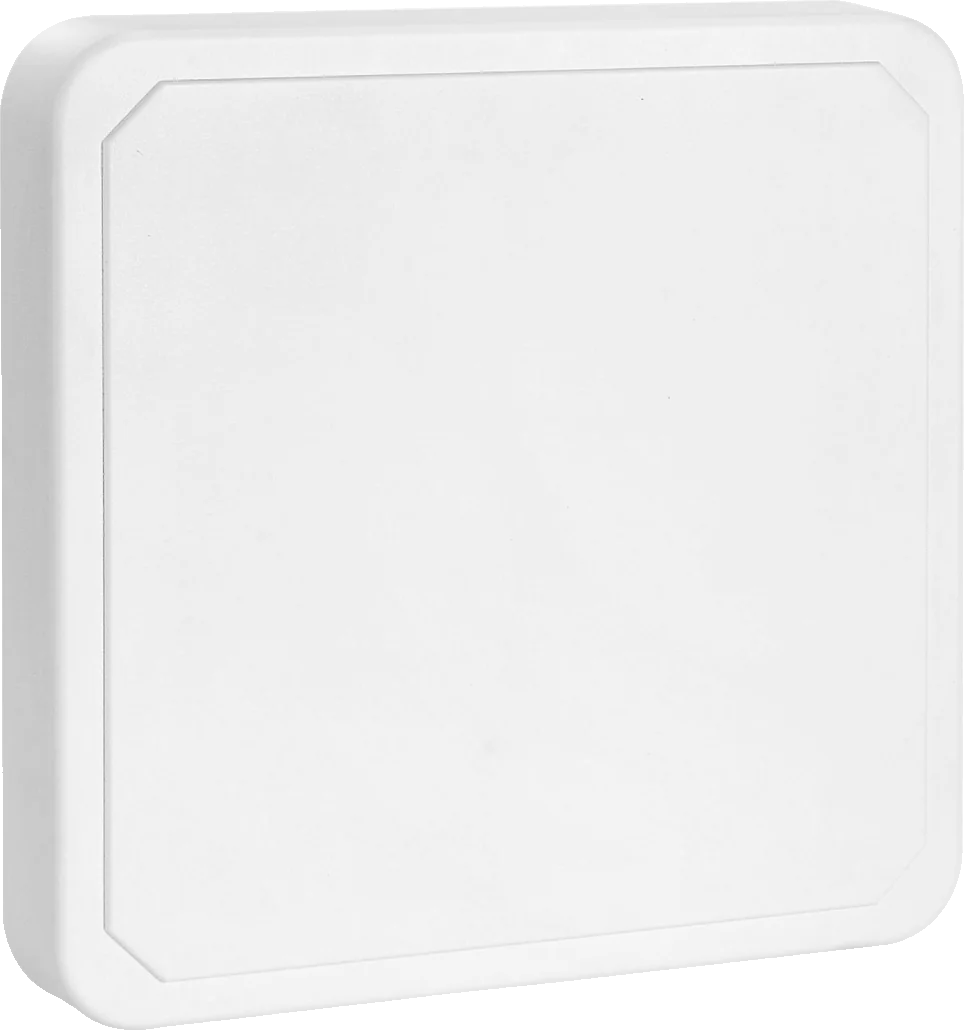
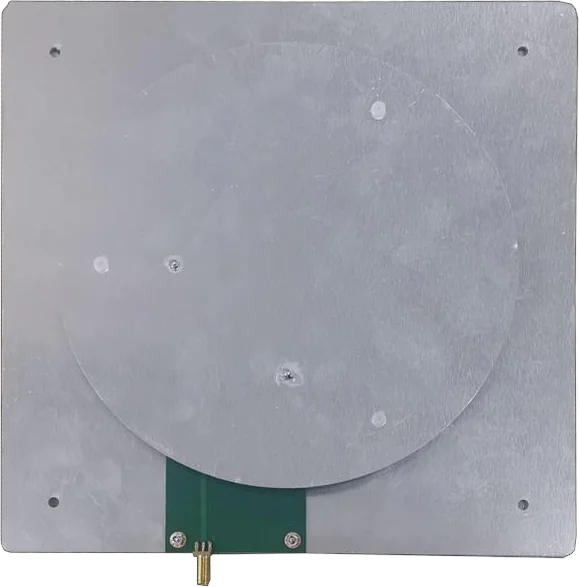
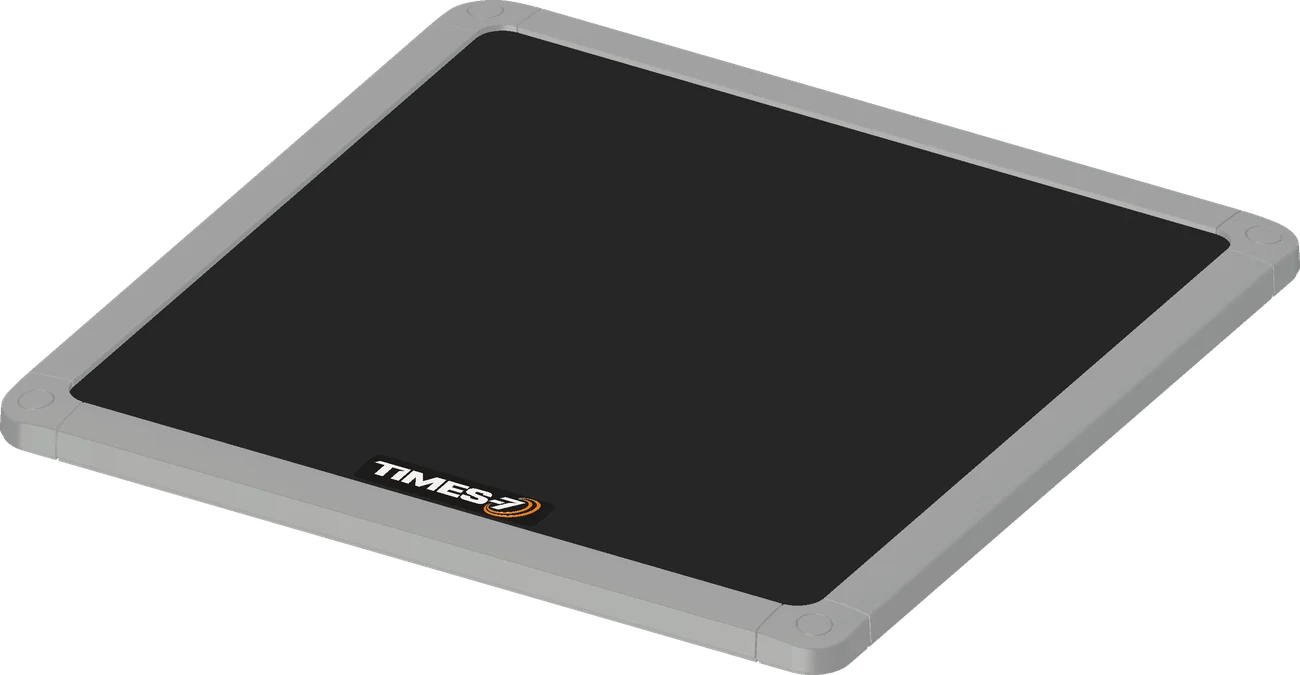
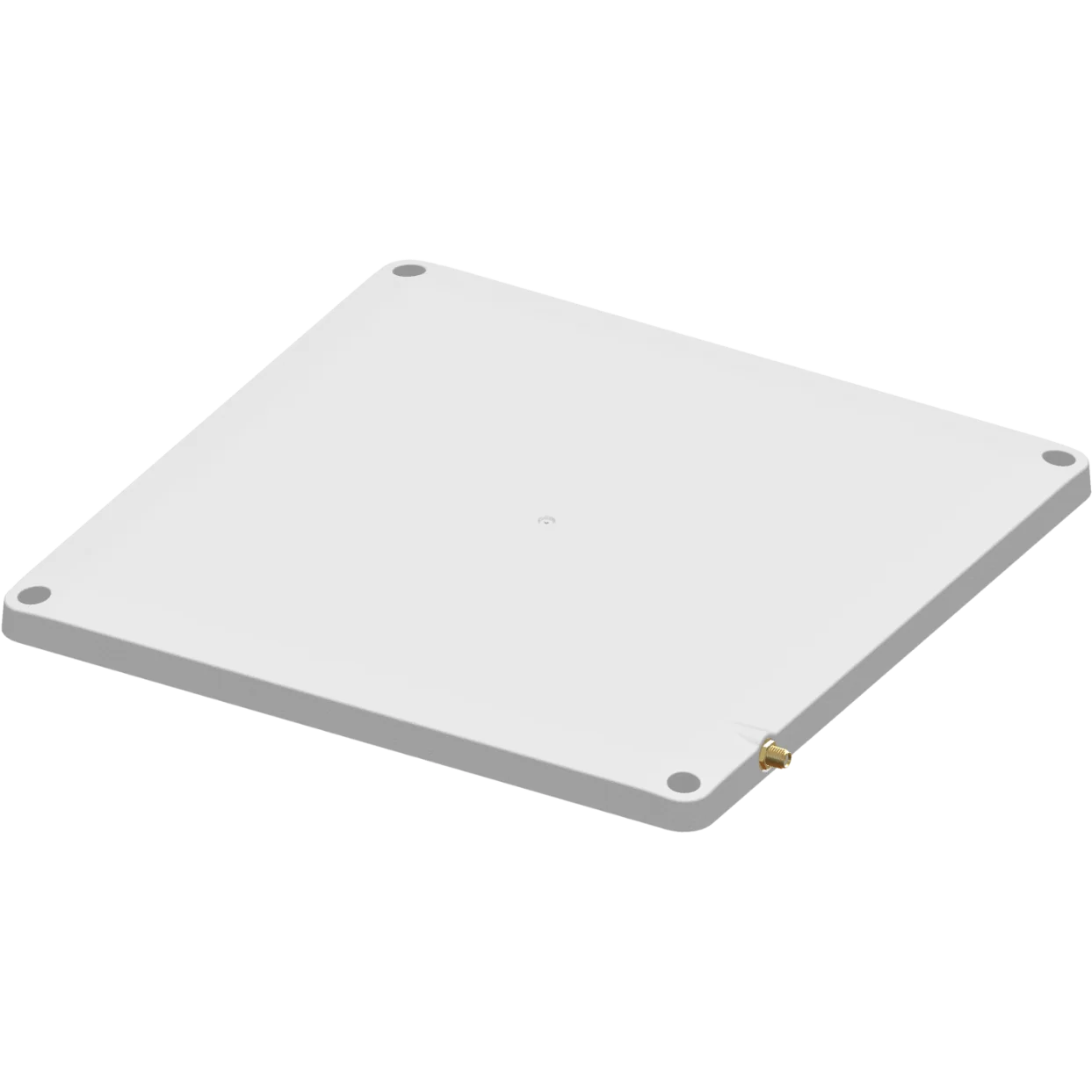
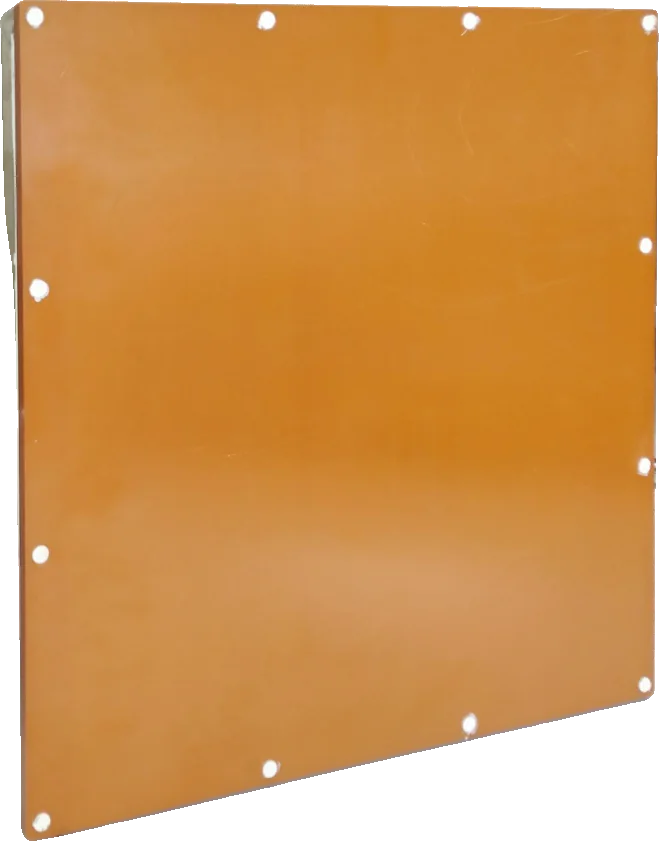
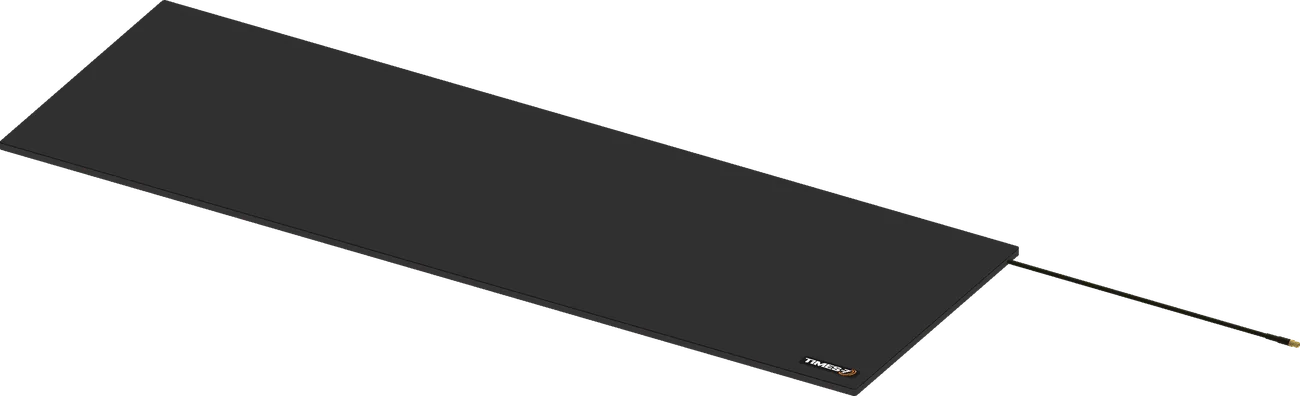
Our UHF RFID antennas at a glance


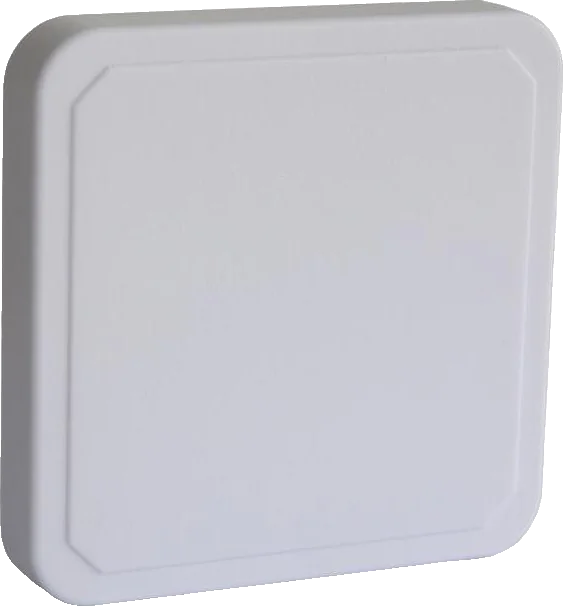
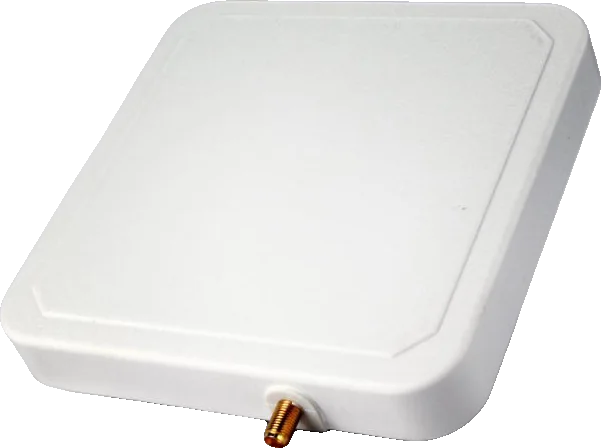
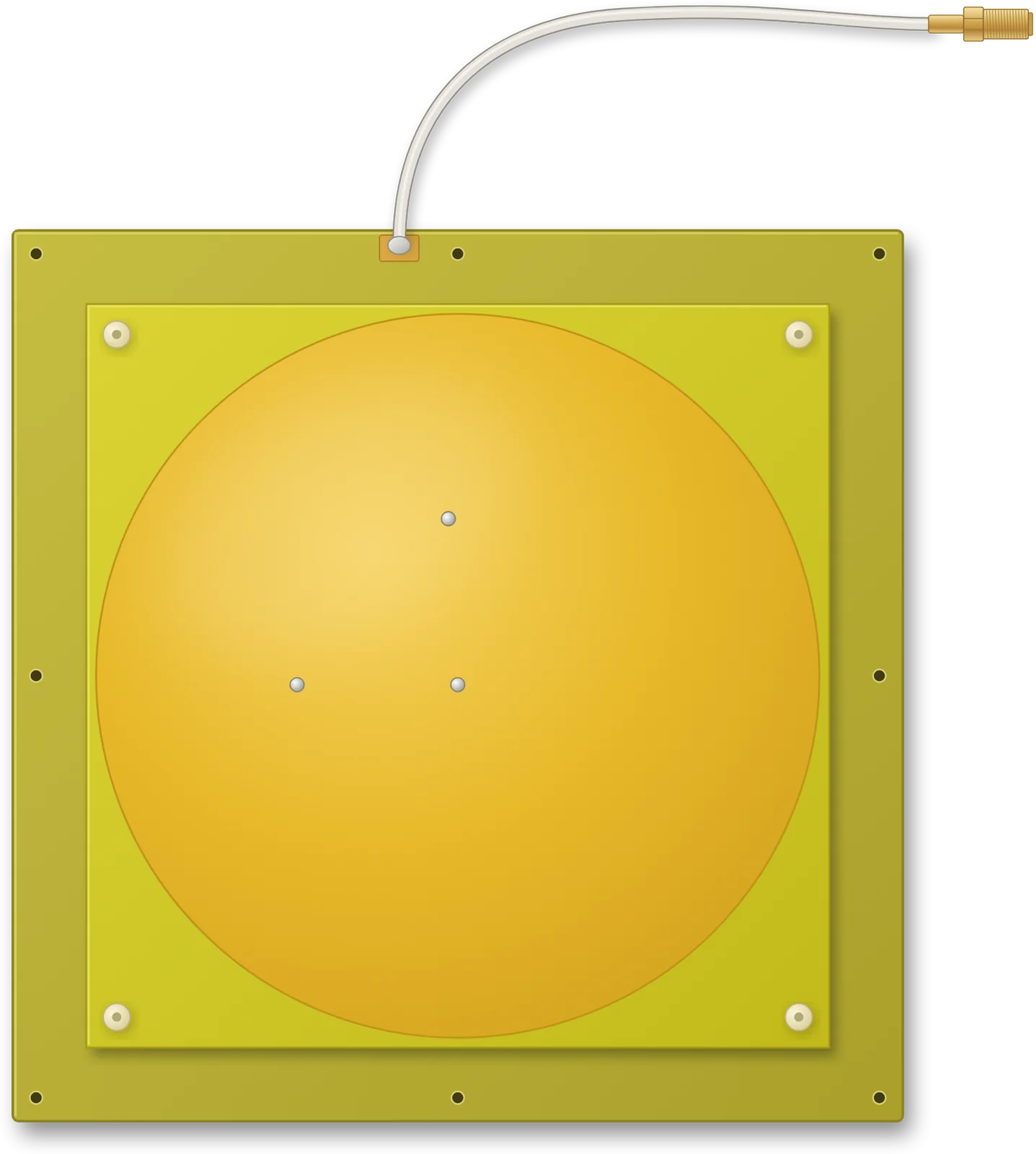


UHF | RAIN – RFID antennas: how the read zone is formed
Antenna types in our range
Request a quote or sample!
Prefer to talk? Call us directly:
+49 6236 4494 685


